Towing Services in Bristol, Connecticut
A disabled vehicle does not always need the same kind of help. A dead battery in a driveway may only call for roadside assistance, while collision damage, overheating, or a wheel problem can make towing the safer option. Bristol Towing provides 24/7 towing and roadside help for drivers who need a vehicle moved, recovered, or transported to a repair facility.
Where the problem happens can affect how the call is handled. Bristol is crossed by several major state routes, including Route 6, Route 72, Route 69, and Route 229, along with local streets serving downtown, residential neighborhoods, and commercial areas. A breakdown along a heavily traveled corridor may require a different approach than one in a parking lot or neighborhood street.
The vehicle itself matters just as much as the location. Before it is moved, factors such as drivetrain, ground clearance, wheel condition, steering, and collision damage should be considered. Some vehicles can be handled with a conventional tow, while low-clearance cars, certain AWD or 4WD vehicles, and vehicles with damaged wheels or suspension may be better suited for flatbed transport. The goal is to choose a towing method that fits the situation and get the vehicle to its destination without creating additional problems.
Help for Breakdowns, Roadside Problems, and Vehicle Transport
Not every call starts with a completely disabled car. Sometimes the engine still runs but the vehicle is overheating. A wheel may be damaged after hitting a pothole or curb. After a collision, the car may look drivable even though the steering or suspension no longer feels right. Bristol Towing handles these situations as well as more familiar roadside problems such as dead batteries, lockouts, flat tires, and running out of fuel.
The first question is what can be done safely where the vehicle sits. If a jump-start, tire change, fuel delivery, or lockout service solves the problem, there may be no reason to move the vehicle at all. When the car cannot continue safely, the next step is choosing a towing setup based on how it rolls, steers, and sits—not simply sending the same equipment for every call.
Drivers may need help at home, outside a business, in a parking area, or while traveling through Bristol. Access around the vehicle, traffic conditions, wheel damage, ground clearance, and drivetrain type can all affect how the job is handled.
Services available include:
- 24-hour towing
- Emergency vehicle towing
- Local car towing
- Roadside assistance
- Battery jump-starts
- Flat tire assistance
- Vehicle lockout help
- Fuel delivery
- Accident recovery
- Flatbed towing
- Disabled vehicle transport
- Local and longer-distance vehicle moves
Towing Across Bristol and Nearby Communities
Bristol Towing serves drivers throughout the city as well as surrounding towns in central Connecticut. Service calls can come from residential streets, shopping areas, workplace parking lots, apartment communities, or heavily traveled roads such as Route 6, Route 72, Route 69, and Route 229.
The surrounding area is fairly compact, so towing and roadside calls may also involve nearby communities such as:
- Plainville, CT
- Southington, CT
- Plymouth, CT
- Burlington, CT
- Farmington, CT
- Wolcott, CT
- New Britain, CT
- Harwinton, CT
- Terryville, CT
- Newington, CT
What Happens When You Call for Help
The first step is getting a clear picture of the situation. We want to know what the vehicle is doing, whether it can roll or steer, and if there is any visible damage that could affect loading.
From there, the service can be matched to the problem. A simple battery or tire issue may be handled roadside, while a collision-damaged vehicle or car with steering, suspension, or drivetrain trouble may need a tow. Some vehicles can be moved conventionally; others may be better suited for a flatbed.
Drivers also receive a clearer idea of what will happen before the vehicle is moved. That includes where it is going, what type of transport makes sense, and whether any special loading considerations are involved. The aim is to make the process easy to understand without treating every call like the same job.
WE CAN GET THE JOB DONE GUARANTEED
What You Can Expect From Bristol Towing
A towing call usually starts with an unexpected problem, not a planned appointment. You may be dealing with a vehicle that will not start, damage from a collision, a flat tire, or a mechanical issue that makes continuing the trip a bad idea. Bristol Towing helps drivers throughout Bristol with towing and roadside services based on what the vehicle actually needs rather than treating every call the same way.
From minor roadside problems to accident recovery and flatbed transport, Bristol Towing focuses on making the next step easier to understand. The service is matched to the vehicle, the pickup location, and the problem at hand so drivers can get appropriate help without unnecessary complications.
Built Around the Problems Bristol Drivers Actually Face
Towing is rarely something you plan for. A car may refuse to start in a driveway, overheat during a trip across town, lose a tire along Route 6, or end up damaged after a collision. Bristol Towing handles those situations with towing and roadside assistance throughout Bristol and nearby communities.
The service starts with the condition of the vehicle, not a preset response. A battery issue or lockout may be handled on-site. A car with steering trouble, damaged wheels, drivetrain problems, or collision damage may need transport instead. Where the vehicle is stopped also matters, whether that is near downtown Bristol, along Route 72 or Route 229, or in a residential or commercial area with limited space around the car.
The goal is to make the next step clear. We explain what type of help makes sense, how the vehicle will be moved if towing is needed, and where it can be taken before the process gets underway.
What Happens Before Your Vehicle Is Moved
No two towing calls begin the same way. Before anything is loaded, we look at what happened, whether the vehicle can still roll or steer, and whether the pickup location creates any access or safety concerns.
Those details help determine whether roadside assistance, a conventional tow, flatbed transport, or another recovery method is the right fit. The idea is to solve the problem with the least complicated service that still makes sense for the vehicle and the situation.
01
Start With the Problem, Not the Tow
The first step is figuring out what actually happened. A dead battery, flat tire, lockout, or empty fuel tank may be handled without moving the vehicle at all. Mechanical failure, collision damage, or a vehicle that can no longer be driven safely may require towing instead. The service should fit the problem rather than assuming every call needs the same solution.
02
The Pickup Location Matters
Where the vehicle stops can change how the job is handled. A car disabled in a Bristol parking lot usually presents different access conditions than one stopped along Route 6, Route 72, Route 229, or another busy roadway. Traffic, available working space, and the position of the vehicle all need to be considered before roadside work or loading begins.
03
Equipment Chosen for the Vehicle
Wheel damage, drivetrain type, ground clearance, steering problems, and suspension damage can all affect how a vehicle should be moved. Some cars can be transported with a conventional towing setup, while certain AWD or 4WD vehicles, low-clearance cars, and collision-damaged vehicles may be better suited for a flatbed.
04
Know What Happens Next
Being stranded is easier to manage when you know what to expect. Before the vehicle is moved, we work to understand where it needs to go and whether there are any conditions that could complicate loading. Clear information up front helps make the transition from roadside problem to final drop-off more predictable.
From a minor roadside issue to a vehicle that needs full transport, Bristol Towing focuses on choosing a practical solution for the situation and making the next step easy to understand.
Emergency Towing in Bristol, CT
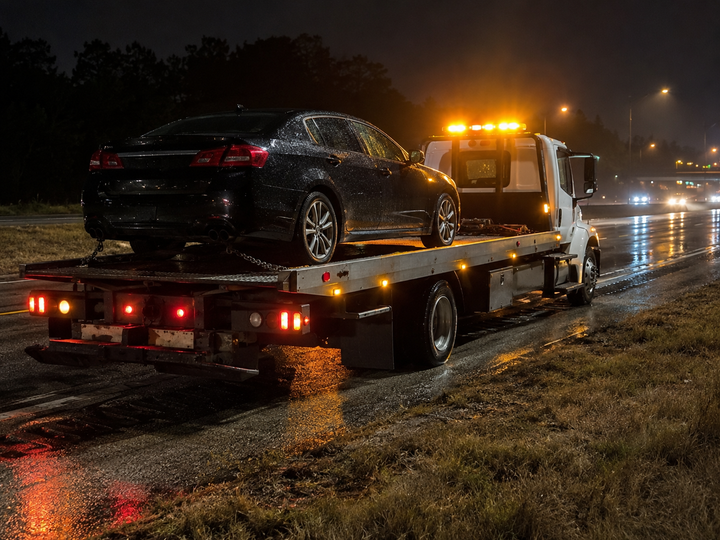
A vehicle does not have to be completely dead before it becomes a towing situation. Severe overheating, steering trouble, collision damage, a failed wheel, or a mechanical problem can make continuing the trip risky even when the engine still runs. Bristol Towing provides 24/7 emergency towing for disabled and damaged vehicles that need to be removed from the road or transported somewhere safer.
The pickup location can change how the tow should be handled. A car stranded in a neighborhood or parking lot may leave plenty of room to work, while a breakdown along Route 6, Route 72, Route 229, or another busy Bristol road can involve heavier traffic and less space around the vehicle. Wheel condition, ground clearance, drivetrain type, and accident damage all help determine whether a conventional tow or flatbed transport makes more sense.
If the vehicle is sitting somewhere dangerous, take care of yourself and your passengers before worrying about the car. Move away from active traffic when it is safe to do so, and call emergency services if the situation involves injuries, fire, leaking fluids, or another immediate hazard. After the scene is secure, the vehicle can be moved to a repair shop, body shop, dealership, residence, storage facility, or another requested destination.
Roadside Assistance in Bristol, CT
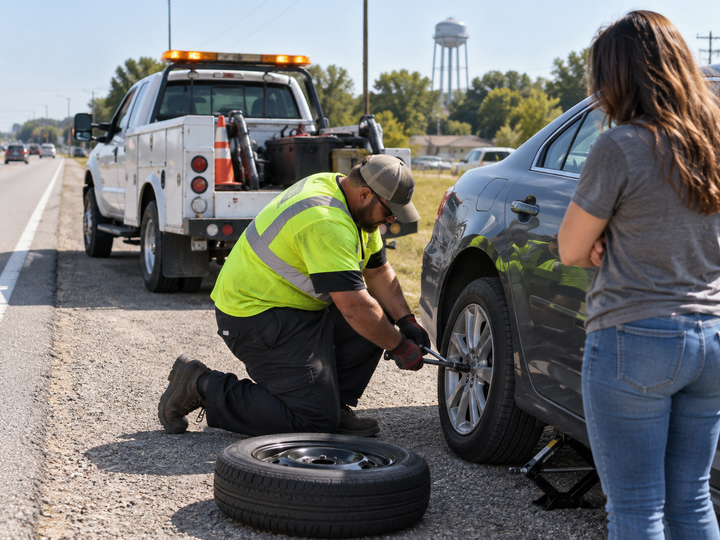
A flat tire, dead battery, empty fuel tank, or locked vehicle can leave you stuck without necessarily requiring a full tow. When the car is in a safe location and there is enough room to work, roadside service may be able to solve the immediate problem and get you back on your way.
The first thing we look at is what is actually preventing the vehicle from moving. A battery issue may call for a jump-start, while a flat tire may be handled with a spare if the wheel itself is still in good condition. Fuel delivery and lockout assistance can also resolve straightforward problems without transporting the vehicle anywhere.
Not every roadside issue stays simple, though. A bent wheel, overheating engine, steering problem, or vehicle that still will not start after a jump may point to something more serious. In those situations, towing can be the safer choice instead of continuing to troubleshoot on the side of the road.
Roadside calls in Bristol can happen anywhere from residential neighborhoods and shopping areas to busy roads such as Route 6, Route 72, and Route 229. If the location is too exposed to traffic for safe roadside work, moving the vehicle may make more sense than attempting the repair where it stopped.
Flatbed Towing and Vehicle Recovery in Bristol, CT
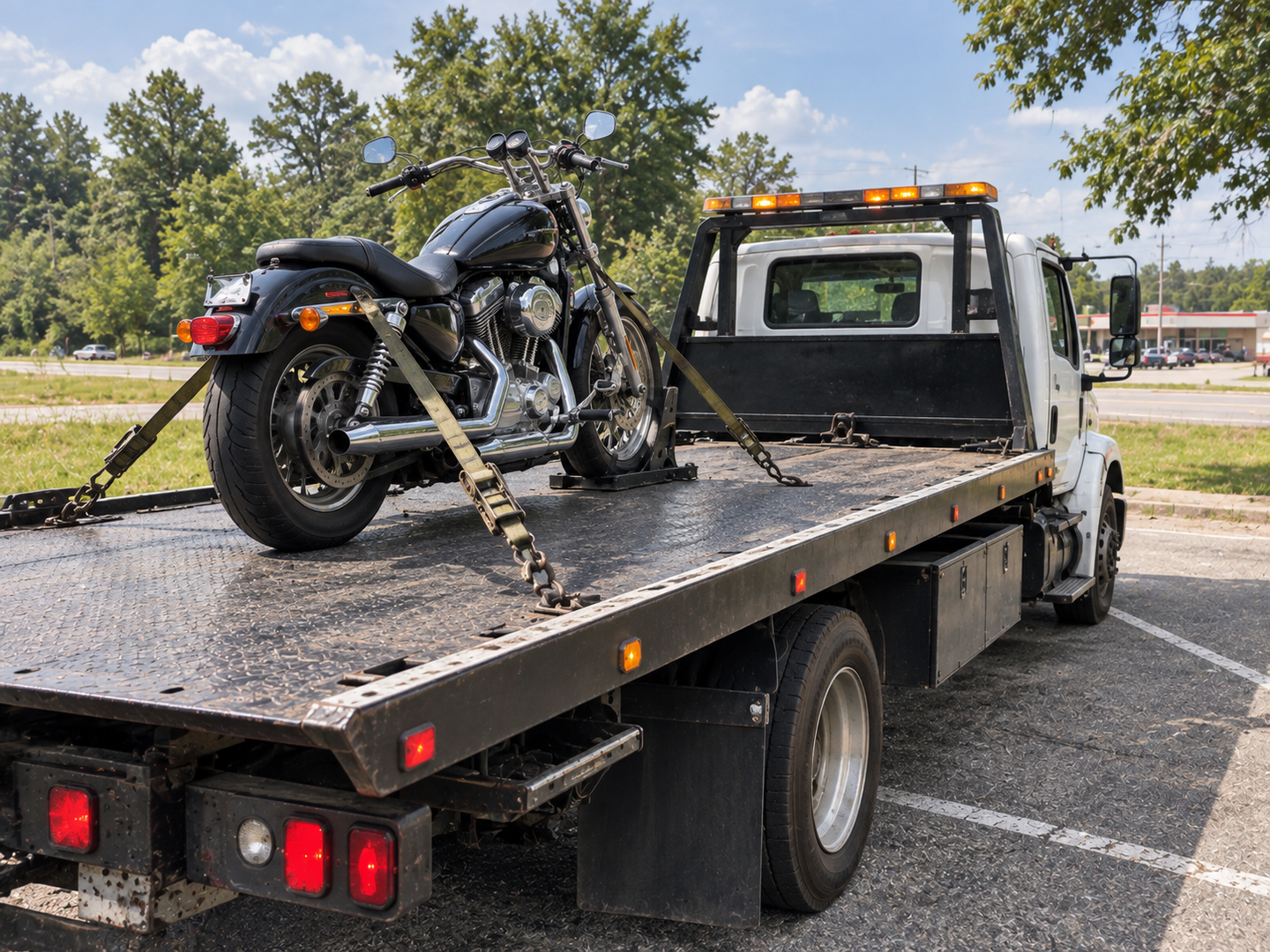
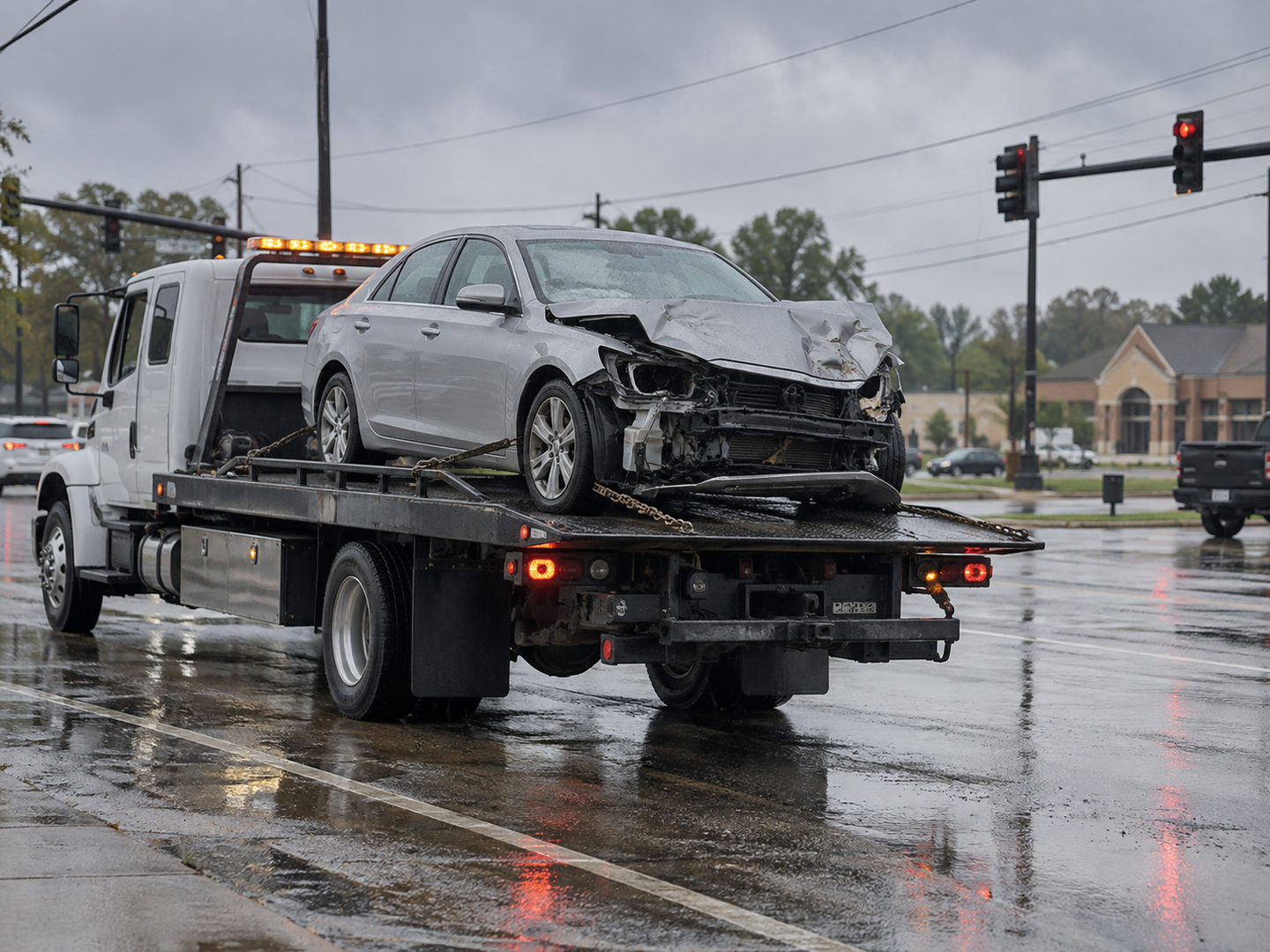
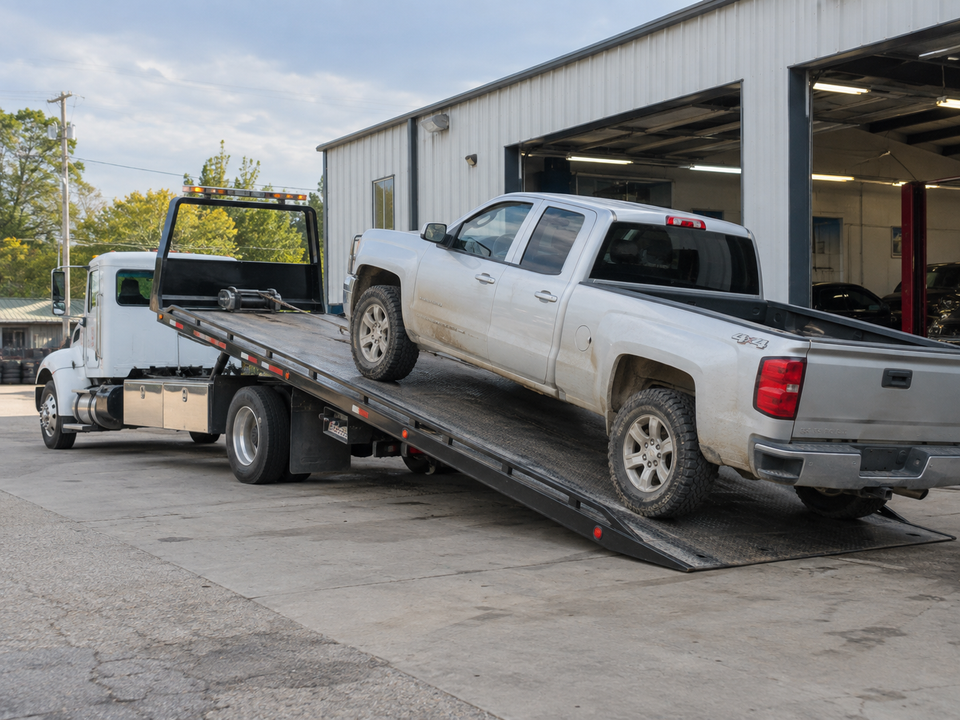
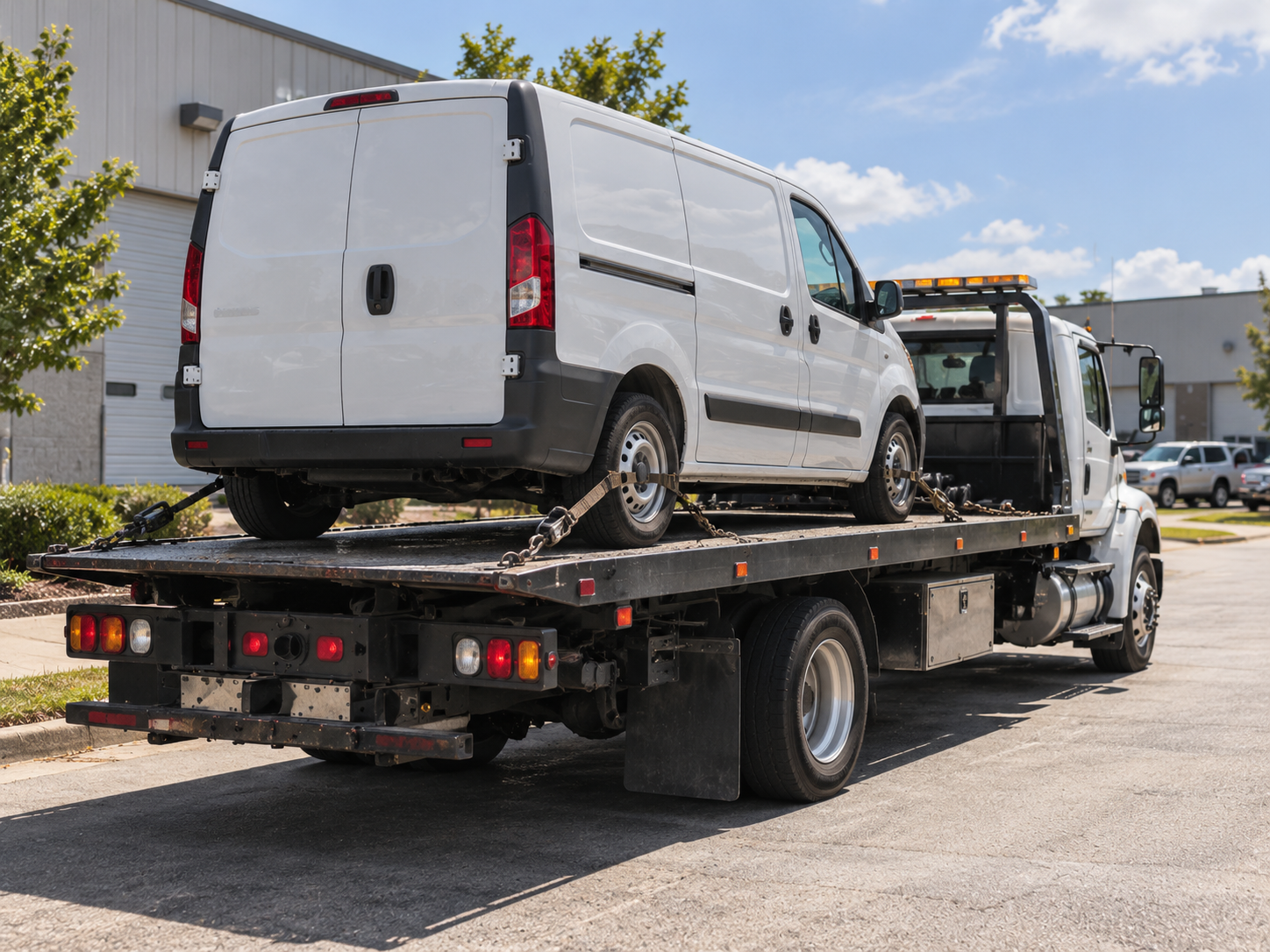
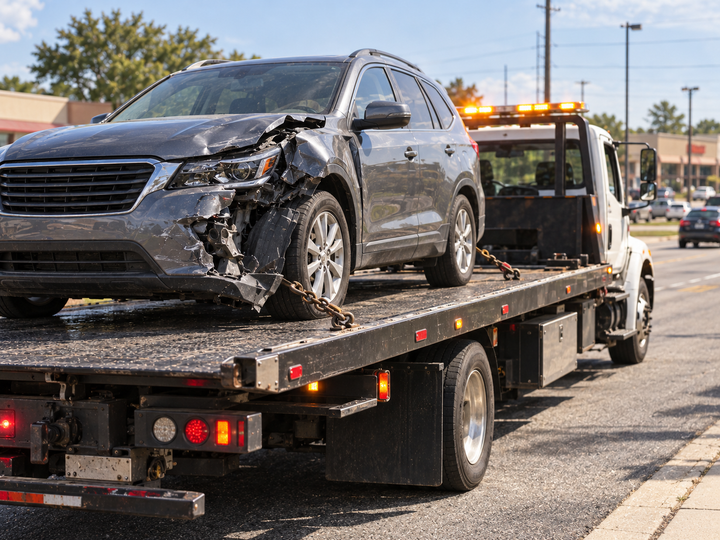
Flatbed towing is often the better choice when a vehicle cannot roll, steer, or support its own weight normally. Collision damage, bent wheels, suspension failure, low ground clearance, or certain AWD and 4WD systems can all make conventional towing less suitable.
Instead of leaving part of the vehicle on the pavement, a flatbed carries the entire car on the truck bed. That can be especially useful when damaged wheels, drivetrain concerns, or body damage could create problems during transport.
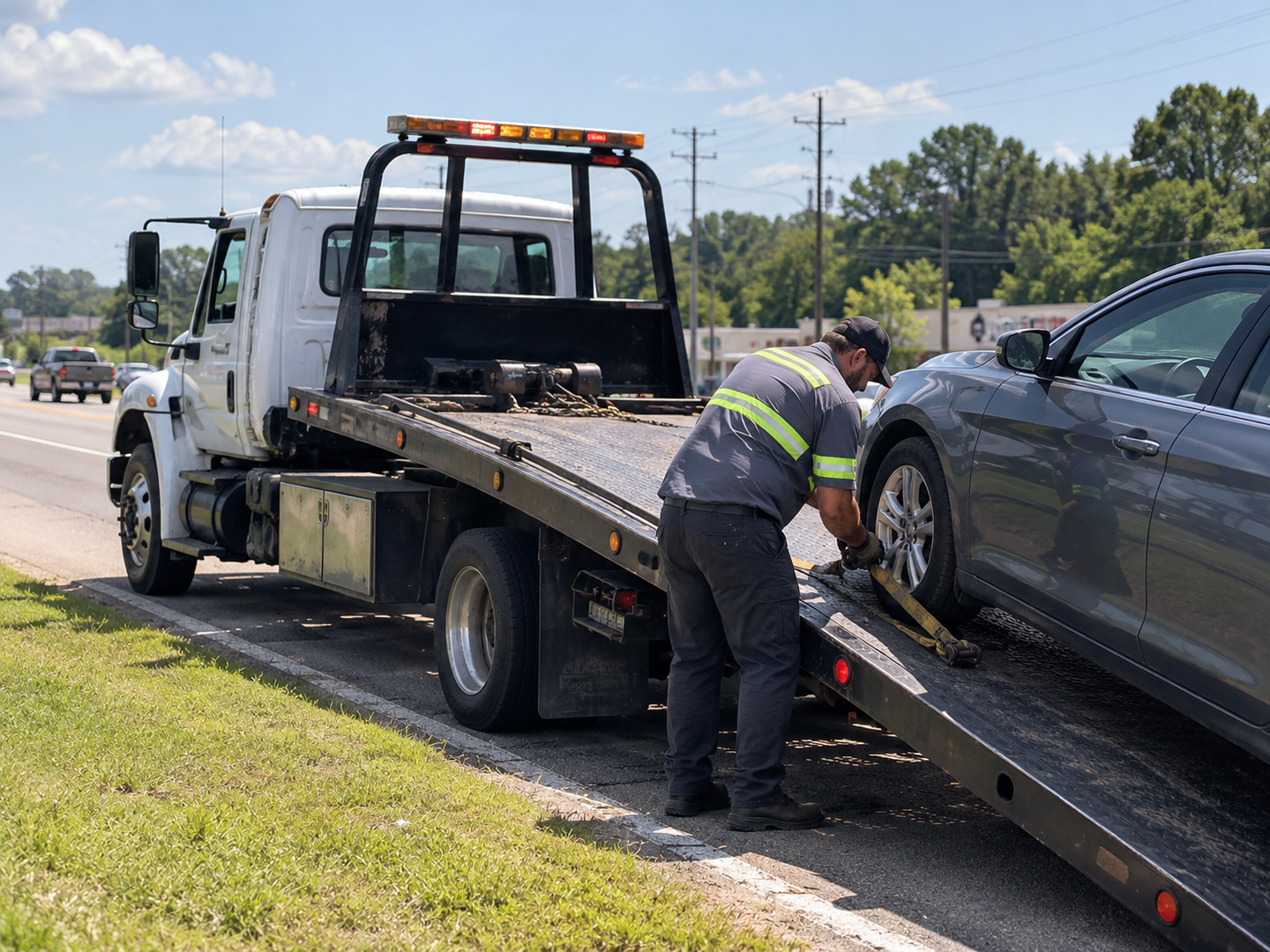
Some vehicles also need extra help just getting onto the truck. If a car cannot move under its own power, has locked wheels, or is sitting awkwardly after a crash, it may need to be winched into position rather than driven onto the bed. The loading approach depends on the vehicle’s condition and how much room is available at the pickup location.
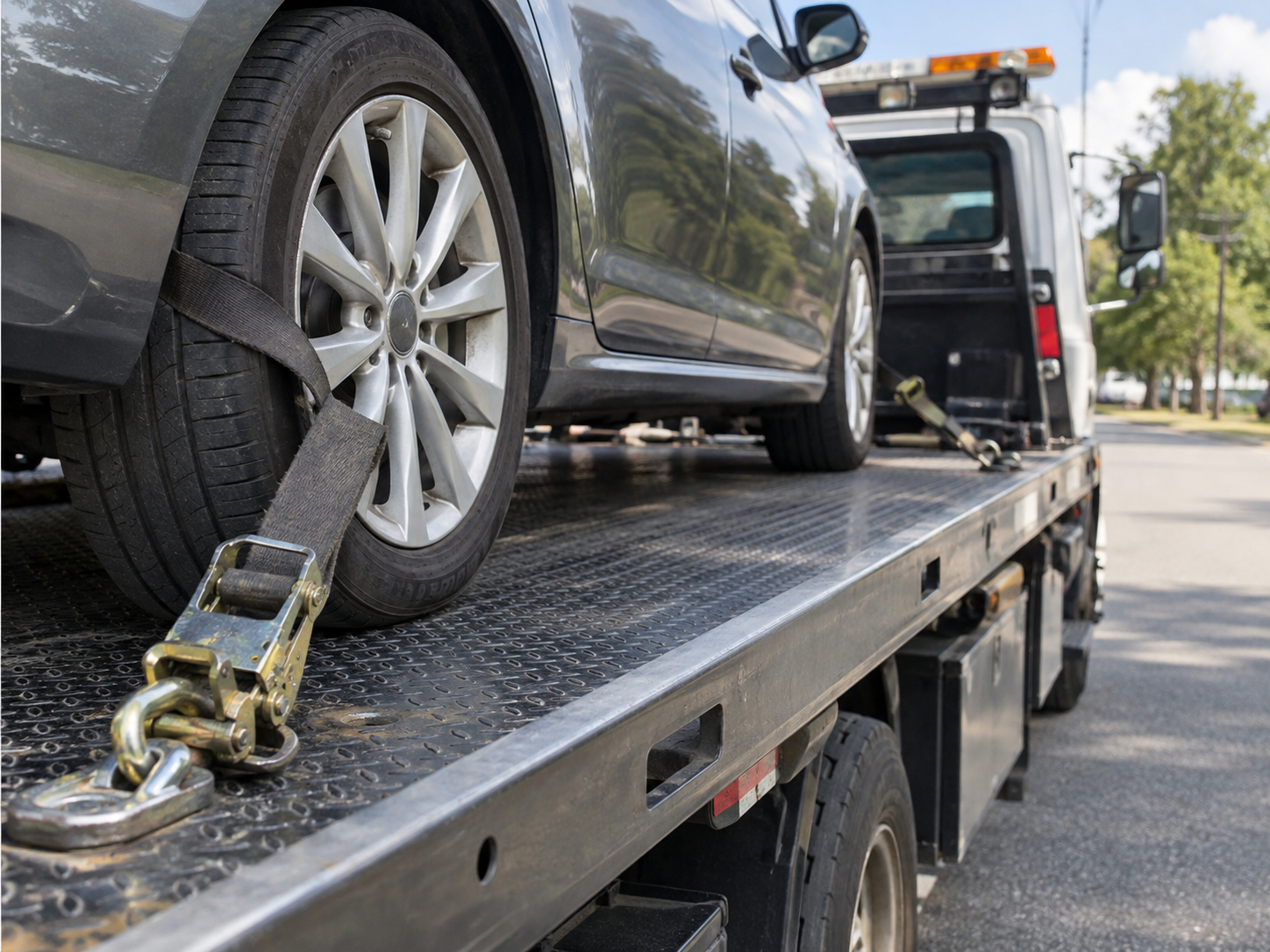
Flatbed service can be used for accident-damaged vehicles, non-running cars, low-clearance vehicles, and longer-distance transport. Once the vehicle is positioned and secured, it can be taken to a body shop, repair facility, storage yard, residence, salvage yard, or another requested destination.
The advantage is control. When a vehicle already has mechanical or collision damage, keeping it fully supported during transport can help avoid placing additional strain on damaged wheels, suspension parts, or drivetrain components.
Towing That Fits the Situation
The same roadside problem can require a very different response depending on where the vehicle is and how it is behaving. A car that will not start in a Bristol driveway may only need roadside assistance, while a vehicle with steering trouble or collision damage along Route 6, Route 72, or Route 229 may need to be transported instead.
Rather than assuming every call requires a tow, the vehicle should be evaluated first. Battery problems, lockouts, flat tires, and empty fuel tanks can often be handled where the car is stopped. If the vehicle cannot roll normally, has damaged suspension, is overheating, or no longer feels safe to drive, moving it with the proper towing equipment may be the better option.
When transportation is needed, the destination can be a repair shop, body shop, dealership, residence, storage facility, or another location you choose. The focus is on selecting a towing method that suits the vehicle’s condition, loading it carefully, and keeping the process clear from pickup through drop-off.
How We Approach Every Call
Getting stranded is frustrating enough without having to guess what happens next. A call in Bristol might involve a dead battery outside a business, a damaged tire on Route 6, a collision near Route 72, or a vehicle that suddenly cannot be driven from a residential street. We start by understanding the problem, then determine which service actually fits the situation.
Bristol Towing serves drivers throughout Bristol and nearby communities with 24/7 towing, roadside assistance, accident recovery, and flatbed transport. Each call is approached based on the vehicle, pickup location, and problem at hand rather than forcing every situation into the same towing process.
Experiences From Drivers We’ve Helped
A breakdown, flat tire, or collision can make an ordinary day complicated very quickly. Beyond getting the vehicle moved, drivers want to know what is happening, where their car is going, and what to expect along the way. Bristol Towing provides roadside assistance, emergency towing, flatbed transport, and accident recovery throughout Bristol and nearby communities.
The feedback below can give visitors a sense of the kinds of situations customers may encounter and what matters most during a towing or roadside service call: clear communication, careful handling, and a straightforward process from pickup to drop-off.